

Non-Performing Loans are loans for which principal or interest are due and unpaid for 90 days or more or interest payments for 90 days or more have been re-financed or rolled over into a new loan.
The value of non-performing loans is calculated as the bank's non-performing loans to its total gross loans, divided by the total value of the loan portfolio (including non-performing loans before the deduction of specific loan loss provision). The loan amount recorded as nonperforming should be the gross value of the loan as recorded on the balance sheet, not just the overdue amount.
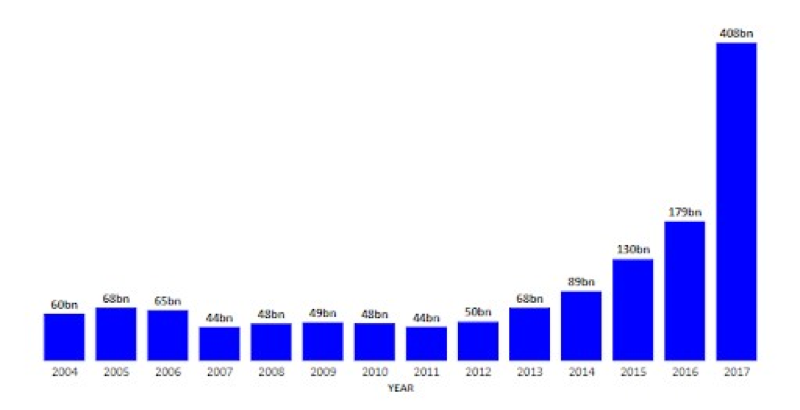
The loan portfolio is generally the largest asset source of income for banks. Non-performing loans are pointers for financial steadiness, particularly banking system stability. Non-performing loans have been on the rise in Kenya banks. However, according to Kenya's Banks Association Policy Brief, Kenyan banks have experienced resilience amid severe disruptions like the Financial Global crisis. They have shown a weak link between economic performance and non-performing loans. High-interest rates contribute to the rise of increased non-performing loans.

Georgia Reader Reply
Very insightful analysis on the state of non-performing loans in Kenya.